Frequently Asked Questions
Please read our FAQ before sending us a message.
What is SIP
SIP stands for Session Initiation Protocol. It is a communication protocol organizations widely use to start and finish multimedia communication sessions, such as voice and video calls. SIP, therefore, is one of the specific protocols enabling VoIP. The Internet Engineering Task Force (IETF) is in charge of developing and standardizing this protocol.
SIP definition includes the messages traveling between endpoints and the rules for the establishment and termination of each session. Organizations can use SIP to transmit information between two endpoints or many. In addition to voice calls, they can use SIP for video conferencing, instant messaging, media distribution and other applications, which means it is a highly flexible technology.
What is VOIP
Voice over IP converts your voice into a digital signal, compresses it, and sends it over the internet. A VoIP service provider sets up the call between all participants. On the receiving end, the digital data is then uncompressed into the sound that you hear through your handset or speakerphone.
What is RTP?
The Real-time Transport Protocol is a network protocol used to deliver streaming audio and video media over the internet, thereby enabling the Voice Over Internet Protocol (VoIP).
RTP is generally used with a signaling protocol, such as SIP, which sets up connections across the network. RTP applications can use the Transmission Control Protocol (TCP), but most use the User Datagram protocol (UDP) instead because UDP allows for faster delivery of data.
While RTP allows for real-time data transfer, RTCP provides out-of-band statistics and control information for any given RTP session. It doesn’t actually transport any media data, but rather helps with quality control.
What is TDM?
Time division multiplexing (TDM) is a data, voice and video communications technique that interleaves several low-speed signals into one high-speed transmission channel.
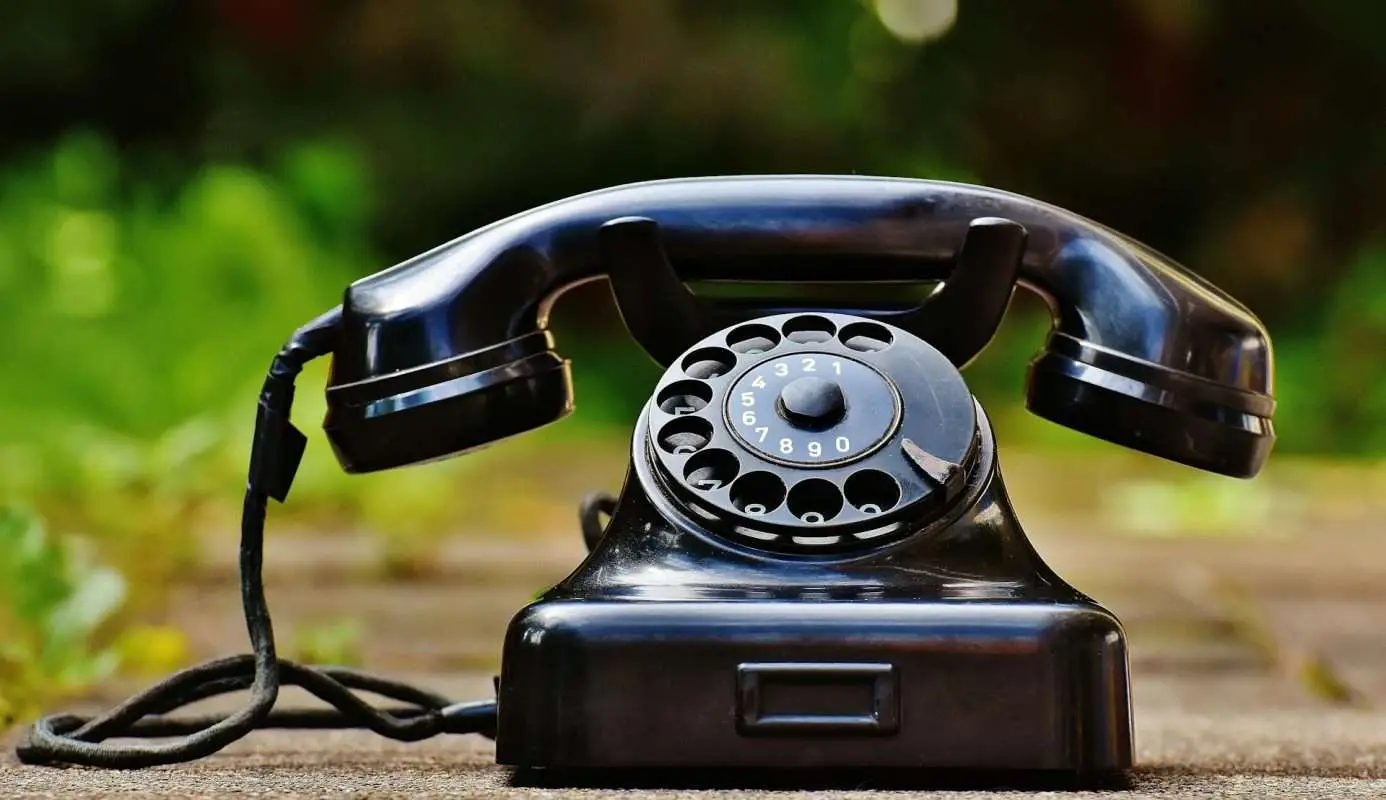
TDM phone technology is based on electrical circuits that are physically switched on the public switched telephone network (PTSN). Telephones transmit an electrical signal to a switch, which interprets each signal, breaks them into segments, and then routes the segments to the right end users. Because conversations are two-way, each circuit needs to be able to handle signals in both directions. These systems have been in place for a long time – before IP server technology and the Internet was invented.
TDM phone systems are reliable in that the use a dedicated phone line with existing infrastructure. Sound quality is consistently high, but calling features are limited to the basics like call routing, hold, voicemail, and conference calls. Phones can only be connected if there is an unused phone jack available – adding more lines might require installing additional infrastructure. Moreover, this technology has peaked in that there is little to no innovation in TDM phone systems.
A TDM PBX is the technology traditionally used by large enterprises. This system uses physical switches (as opposed to digital) and connects to the PSTN
Do you offer Cloud Services?
Yes we do offer Cloud services that certain customers. Ask about which Cloud services you would like ?
SwitchVox
PBXact
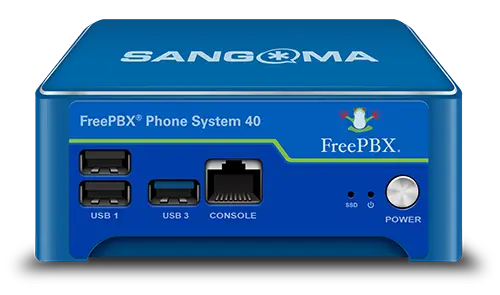
or FreePBX
Do you offer Service Contacts
Yes we do offer support contracts for our customers vs break fix hourly billing.
What system is right for me?
Not every system is a good fit for all customers, some are feature related and some are budget restrictions.
Ask us about your needs and we can evaluate them and give you some solutions and pros and con to any of the systems.
What is the best phone system for a small business that wants to save money and still have all the features they need?
We have low cost systems that will save money with most features out of the box you can add features as needed.
We have 3 different levels for cost and features.
Who do I call for service?
Call 727-265-1000 for service or click on support link online and a agent will contact you back on your support issue.
Still have questions?
Send us a message
Our Services

Have a question?
Contact Us Now for a Free Consultation!